Resilience – what is it and how do we get it?

Resilience is often described as the ability to bounce back, being able to cope and be strong through adversity.
The Wonders of Sleep

If you’ve ever thought sleep isn’t important, well think again, its not only important its essential! We’ve put together 5 reasons why a better night sleep could benefit you.
The Landscape of the Working Woman

Women are involved in every part of society, but there are some matters that affect us more than others. Gender stereotypes, reproductive rights, fewer role models in senior positions, the […]
Anxiety – what is it, why is it so relevant and how do we overcome it?
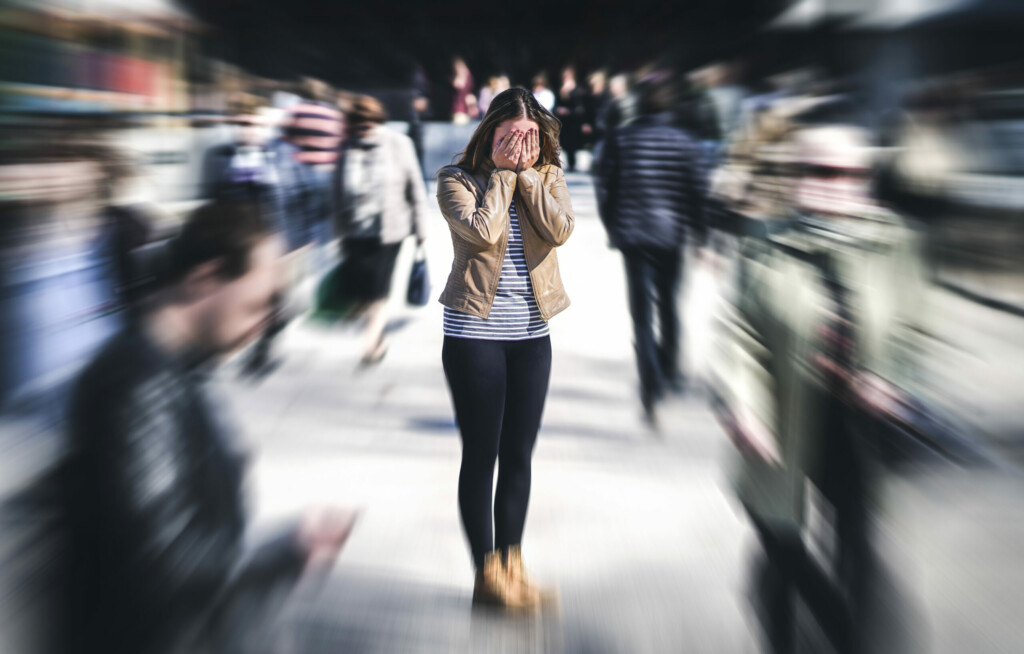
Anxiety, for some, is a word that creates feelings of dread, butterflies and an increased heart rate. It is a word that so many more people are now familiar with.
How Can We Best Achieve Heart Health?

Our heart is one of the most important muscles in our body. It beats approximately 100, 000 times per day, pumping about 5 litres of blood throughout our body. As with any muscle, the more we exercise it, the stronger it becomes.
PSA Screening

Early prostate cancer doesn’t usually have any symptoms. This makes understanding your risk and the value of screening, so important..
Diabetes, Insulin Resistance and Reducing your risk…

Insulin is a hormone which is produced by the β (beta) cells of the pancreatic islets (a region of the pancreas). The hormone is responsible for the regulation of glucose in the bloodstream.
In response to high levels of glucose in the blood, the β-cells (which are sensitive to blood glucose) release insulin, resulting in the absorption of glucose into the liver, fat, and skeletal muscle cells. Upon absorption, the glucose is converted into glycogen (a short-term storage form of glucose), fat (a longer-term energy storage) or used to generate energy within the cell. The result is the level of glucose in the blood stream decreases back to a ‘normal’ level.
Men, mental health and the past 23 months

It’s hard to believe that it has been almost 2 years since the start of the COVID-19 global pandemic.
They have also been at greater risk of becoming severely ill with the disease and have experienced a higher mortality rate.